Canva Rollout
About the project
Client:
Salesforce
Services:
Project Management
Design Operating Model Transformation
Overview
I led the strategic rollout of Canva across a large enablement organization, transforming design from a centralized bottleneck into a governed, scalable self-serve operating model.
Context & Strategic Stakes
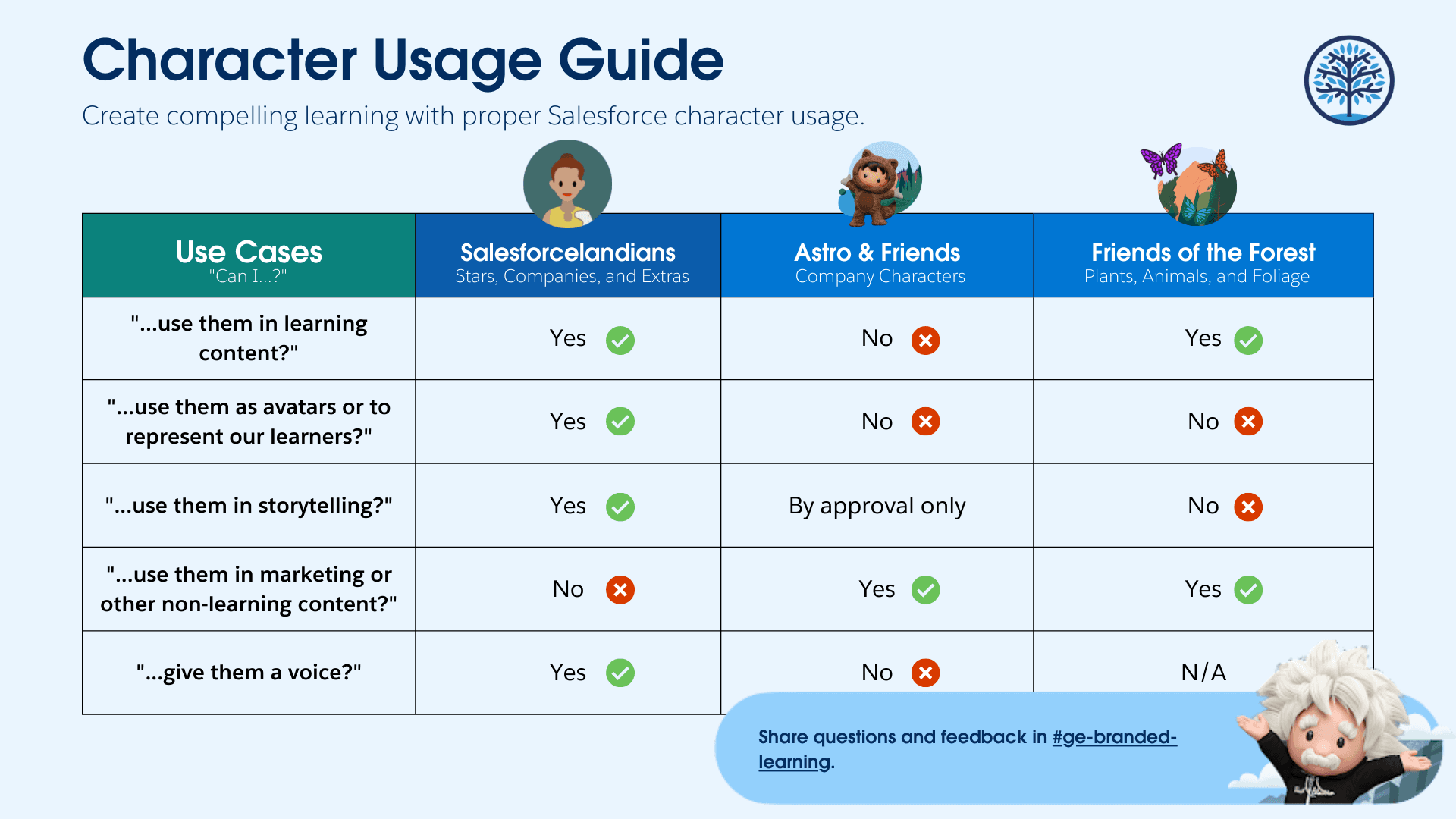
Creative Services had become constrained by routine design requests for decks, one-pagers, job aids, and internal communications. While decentralization could increase speed, it introduced risk: brand inconsistency, accessibility issues, noncompliant layouts, and visual fragmentation.
This initiative required more than introducing a tool. It required building a sustainable design governance framework that empowered teams without diluting brand integrity.
What I Led
I began by aligning Creative Operations and Brand stakeholders on guardrails before rollout. We clarified which workstreams should remain centralized versus what could be templated for distributed ownership. This distinction was critical to preventing future friction.
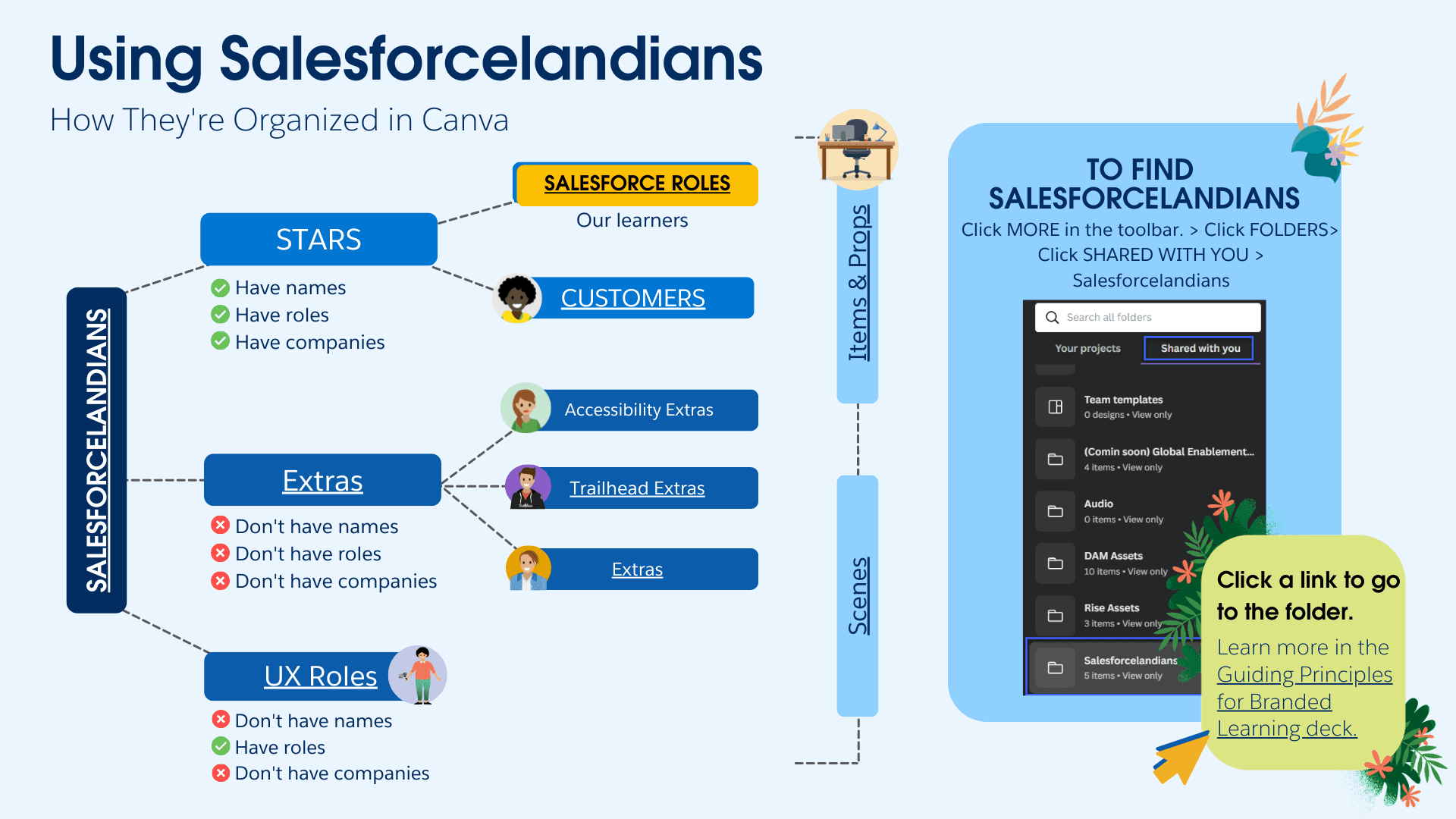
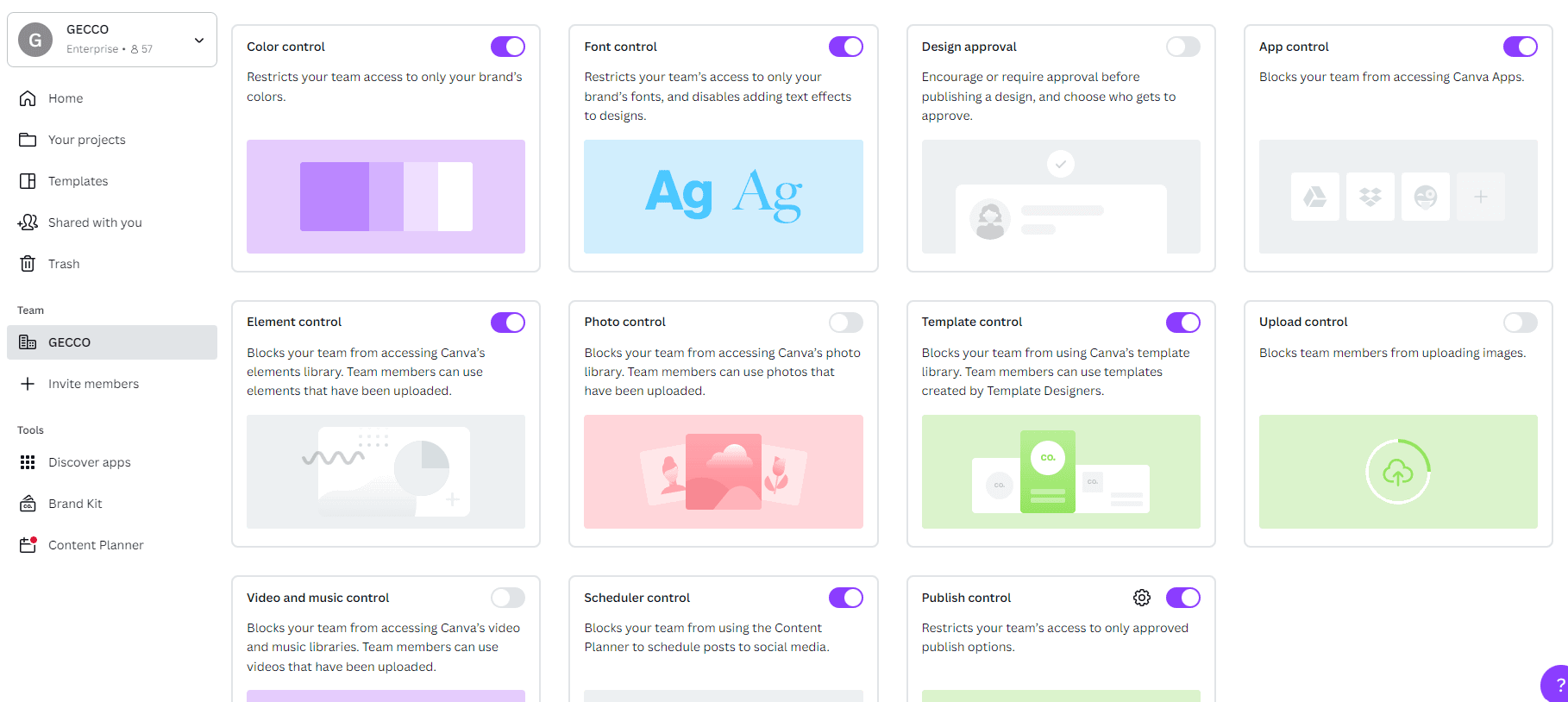
I architected the Canva workspace intentionally. Folder structures mirrored program types and real use cases. Brand kits included approved typography hierarchies, color palettes, logo rules, and icon standards. Locked template elements ensured critical brand components could not be altered while still allowing flexibility in content areas.
Rather than producing isolated templates, I built modular frameworks that guided information hierarchy, reinforced accessibility standards, and reduced decision fatigue for non-designers. Each template was designed to make compliant choices intuitive.
I paired infrastructure with enablement. Training sessions focused not only on tool mechanics but on design reasoning within brand constraints. Documentation clarified escalation pathways and usage expectations. Governance processes were established for template updates, request intake, and lifecycle maintenance to prevent long-term drift.
This was a systemic shift in how design was operationalized.
Impact
Scaled Canva membership from 7 to 82 users within one fiscal year
Increased active users from 7 to 61, signaling sustained behavioral adoption
Grew monthly published designs from 3 to 321 (100x production increase)
Increased cross-team asset sharing from 6 to 73
Reduced dependency on centralized Creative Services without increasing headcount
Established a repeatable design enablement framework that scales with organizational growth